
Binom Review 2026: I Tracked 260M Clicks With This

If you're looking for an honest Binom Review in 2026, here's the short version: it's one of the fastest self-hosted affiliate trackers built for serious media buyers, CPA teams, and high-volume paid traffic campaigns — but it's not for everyone.
Binom works as a full performance marketing tracker, handling CPA offers, lead generation funnels, COD campaigns, multi-offer rotations, and traffic routing with speed that most cloud trackers simply can't match.
Its strongest points are self-hosted data control, fast reporting, flexible traffic distribution, S2S postback tracking, and fixed pricing that doesn't penalize you for scaling clicks.
That said, this Binom review would be incomplete without the honest flip side: setup takes real effort. If you've never configured server-side tracking, traffic source tokens, custom domains, or postback URLs, the learning curve will feel steep.
Binom is not a plug-and-play cloud tracker — and that's exactly why the affiliates who do use it, swear by it.
What Is Binom
Binom is an affiliate tracking software built for traffic management, campaign analysis, conversion tracking, split testing, and paid traffic optimization.
Binom positions itself as a universal tracking platform for affiliates, media buyers, CPA marketers, agencies, lead generation teams, e-commerce advertisers, and paid traffic teams.
Unlike simple link trackers, Binom is closer to a full TDS and CPA tracker. It tracks clicks, costs, conversions, revenue, landing pages, offers, paths, rules, rotations, and postbacks.
The tracker supports self-hosted tracking and a cloud option. The official sign-up flow lists Binom 1.0, Binom 2.0, and managed license options, while Binom’s own material says self-hosted and cloud-based options have identical functionality.
Binom is used when basic analytics cannot answer important media buying questions. For example, Google Analytics may show traffic and conversions, but it does not easily manage offer rotation, traffic source postbacks, CPA network click IDs, split-tested landers, or multi-offer affiliate funnels.

Save 40% on Binom Affiliate Tracker Now
exclusive
Use Binom coupon code AFFMAVEN to claim 40% off advanced affiliate tracking, split testing, and campaign optimization tools.
SAVE UP TO 40%
How Binom Works
Binom sits between a traffic source and a final offer. A visitor clicks an ad, lands on a Binom campaign URL, gets tracked, and is sent to a landing page or offer based on campaign settings.
A standard Binom setup usually includes:
Binom records a click first. After that, it can pass a Click ID to an affiliate network, receive a postback after conversion, and calculate revenue, cost, ROI, and profit.
A campaign must be connected to a traffic source already configured inside Traffic Sources. That same campaign area can include S2S postback settings for sending conversion data back to a traffic source or another service.
A typical flow looks like this:
Self Hosted And Cloud
Binom started as a self-hosted affiliate tracker. A self-hosted tracker means campaign data, click logs, redirects, and reporting run on a server controlled by the buyer.
Self-hosting gives more data control. It also allows media buyers to choose server location, storage, database resources, and infrastructure near traffic sources or target GEOs.
Binom Cloud is the managed option. Binom’s material states self-hosted and cloud-based options have identical functionality, with a self-hosted route starting from license plus server costs and cloud listed at $299 per month.
That difference matters. Self-hosted Binom gives more infrastructure control, but server maintenance becomes part of the job.
Binom Cloud removes much of that server work. It is better for teams that want Binom features without managing hosting, updates, resource planning, and server health.
Campaign Creation Flow
Binom campaign setup is logical once tracking basics are clear. It follows the same structure used by most serious affiliate trackers: traffic source in, tracking layer in middle, lander or offer out.
The campaign setup starts with choosing a traffic source. Traffic sources must be added and configured before being selected in a campaign.
After that, a team adds landers, offers, paths, and rules. Binom rotations can reuse path and rule settings across campaigns, which helps when several campaigns share similar funnel logic.
A simple campaign may send all traffic to one landing page and one offer. A more advanced campaign may split traffic between several paths, each with different landers, offers, GEO rules, device rules, or traffic quality rules.
- Step 1: Add affiliate network
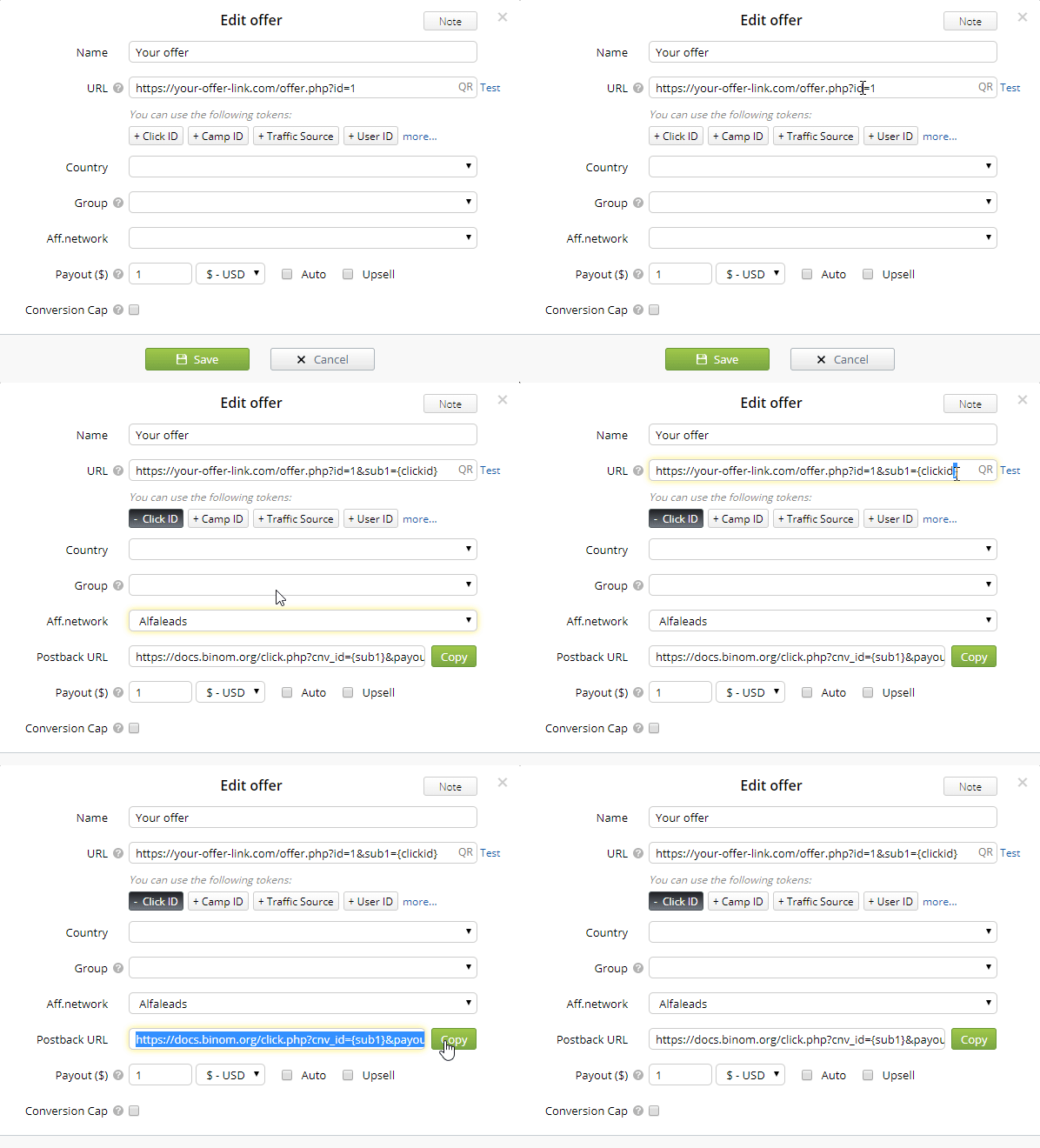
Add network from catalog or manually enter network name and postback URL. This helps keep offer and postback data organized inside the tracker.
- Step 2: Add traffic source
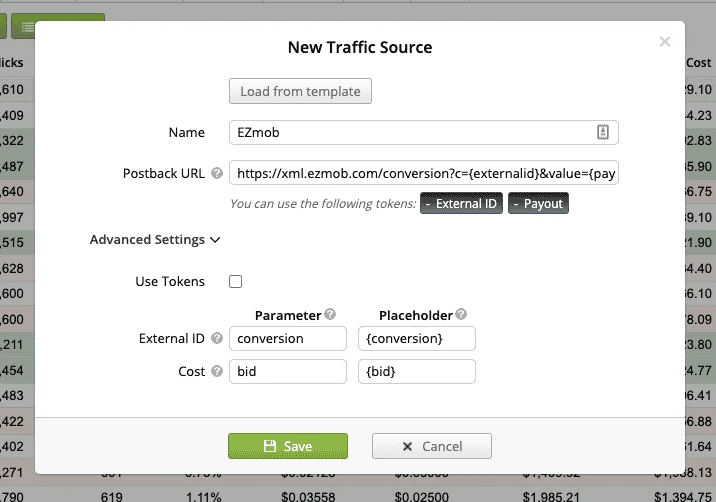
Load a traffic source template or create one manually. Binom supports traffic source tokens for passing ad numbers, publishers, OS, devices, operators, accounts, and other parameters into reports.
- Step 3: Add offer
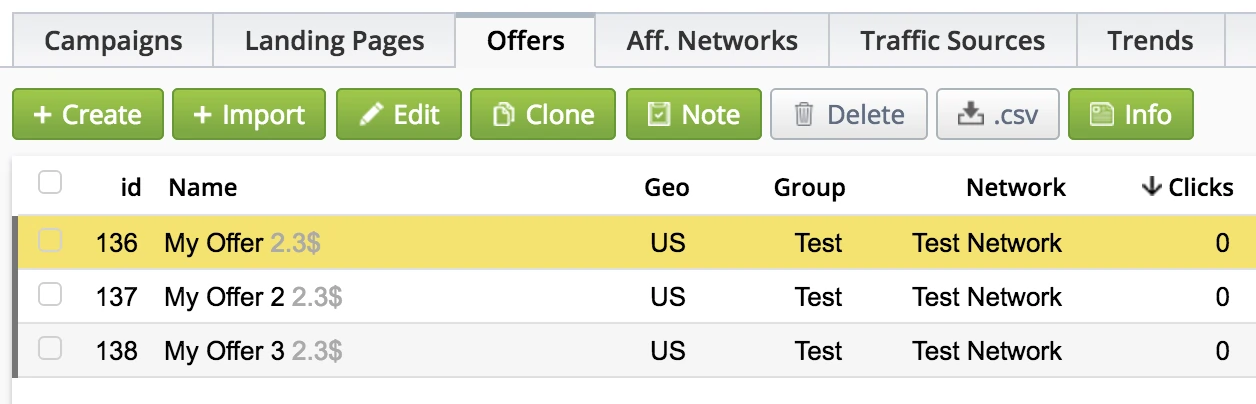
Copy the offer URL from the affiliate network and add it inside Binom. The offer URL should include Binom’s {clickid} token so later postbacks can match conversions with original clicks.
- Step 4: Add landing page
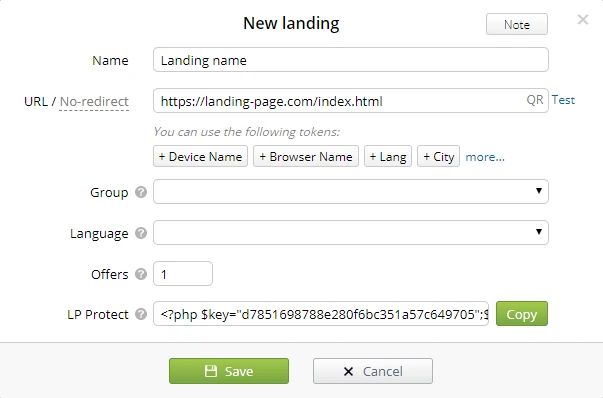
Add landing page name, URL, group, language, and offer count. Binom also supports LP Protect code for blocking direct access to protected landing pages.
- Step 5: Add postback
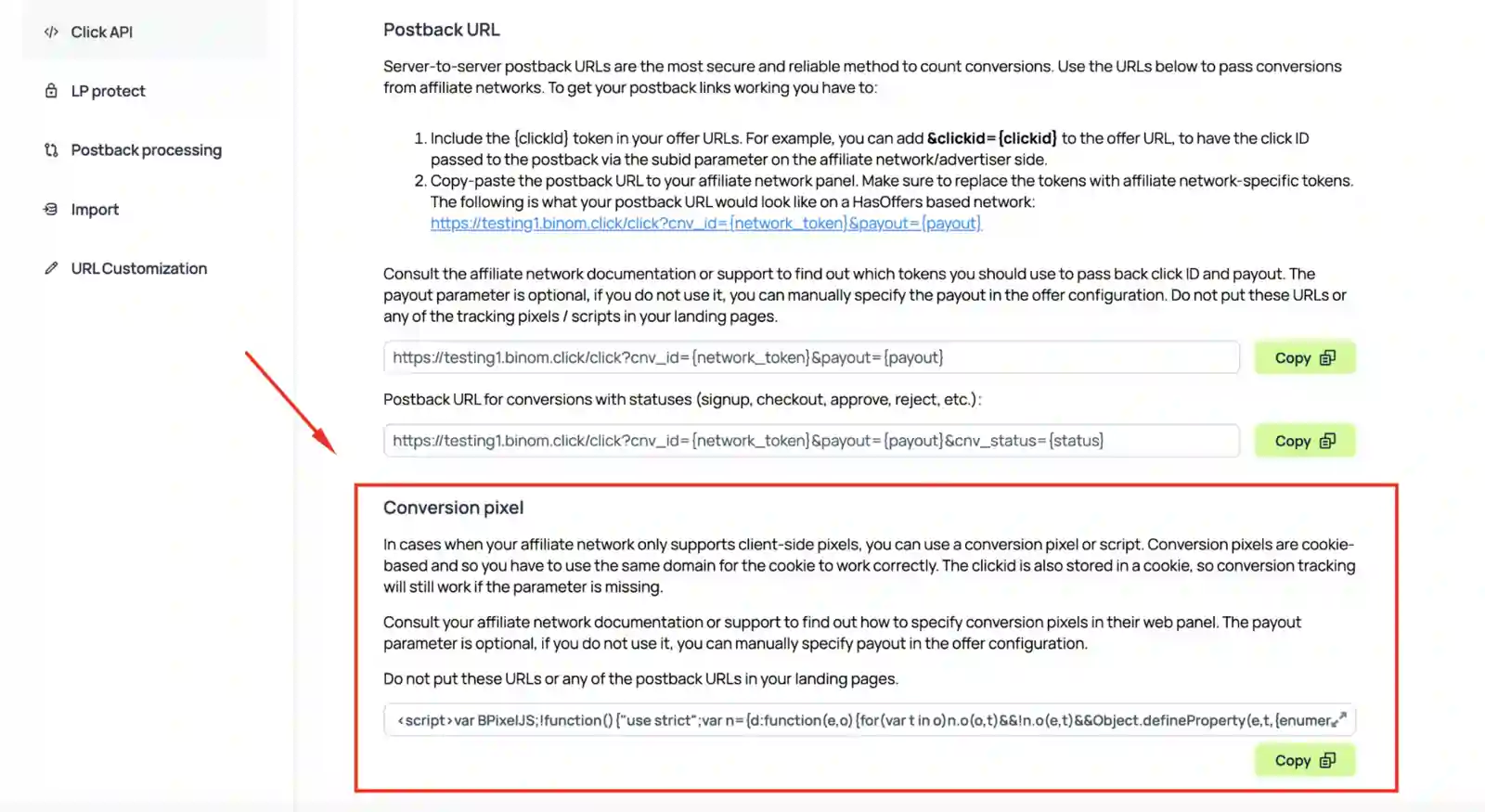
Copy Binom postback URL from tracking links, paste it inside affiliate network, and replace network token with correct click ID token from that network.
- Step 6: Create campaign
Select traffic source, set CPC if needed, choose landing page or direct flow, add offer, save campaign, and use generated campaign URL inside traffic source.
Campaign URL Creation
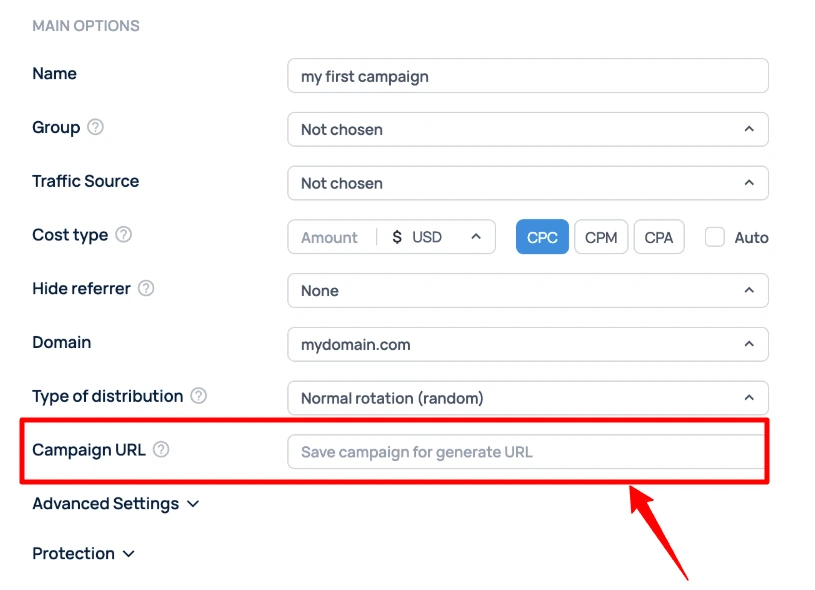
After setup, Binom generates a campaign URL. That link is placed inside a traffic source as the ad destination.
The campaign URL carries source parameters into Binom. For example, a native ad network can pass widget ID, site ID, creative ID, campaign ID, bid cost, and click ID.
A clean campaign URL helps avoid broken tracking. Each parameter should match the traffic source template and field mapping.
Once live traffic starts, Binom records click metrics and makes them available in reports. The user request notes Binom can track 30 plus click metrics and 30 events and tokens, which makes it suitable for complex media buying setups.
Click ID Tracking
Click ID tracking connects each ad click to a later conversion. It is one of the biggest reasons affiliates use dedicated tracking software.
Binom receives a click, creates or stores an ID, passes it to the network, then waits for a postback. After a network fires a postback, Binom attributes that conversion to the original click.
Traffic source click IDs work in the opposite direction. A source sends its external click ID into Binom, and Binom returns it to that source after conversion.
This two-way tracking helps with optimization. Traffic sources can learn which clicks convert, and Binom can show which segments produce ROI.
Cost Tracking
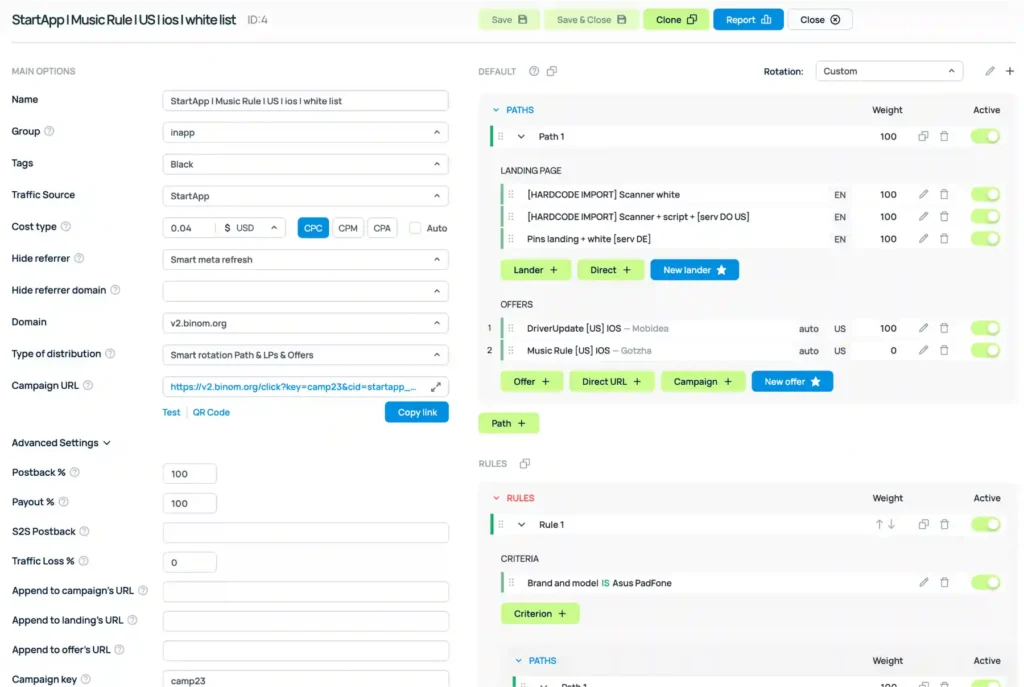
Cost tracking is needed for true profit data. Revenue alone does not show whether a campaign is profitable.
Binom can track costs through campaign settings and traffic source tokens. Many traffic sources pass click cost dynamically, while others may need manual cost setup.
When costs and revenue are both available, Binom can calculate profit and ROI. This helps media buyers cut bad placements faster and scale strong segments with more confidence.
Cost tracking is useful for:
RedTrack also focuses heavily on cost sync via API, with its feature page describing live cost syncing from ad platforms to show ROAS, CPA, and profit in real time.
Binom’s strength is more tracker-side control, while platforms like RedTrack often appeal to teams that want more native ad platform automation.
Conversion Tracking
Conversion tracking shows which clicks generated leads, sales, installs, trials, deposits, or rebills. Binom handles this mainly through postbacks.
Binom can receive postbacks from affiliate networks. It can also send conversion data back to traffic sources using S2S postbacks.
Campaign-level postback settings can override traffic source postback percentage settings. Binom docs state that campaign Postback % can override the value set at traffic source level.
That is useful when a buyer wants full postback data for one campaign but partial postbacks for another. It also helps when traffic source optimization needs controlled conversion feedback.
ROI And Profit Tracking
ROI tracking combines cost, revenue, and conversion data. Without it, campaign decisions depend on guesswork.
Binom reports can show profit, ROI, EPC, CR, costs, revenue, leads, sales, clicks, and campaign performance. The official docs describe campaign statistics and report access from campaign views.
Profit tracking is especially important for paid traffic. A campaign can have a strong conversion rate but still lose money if CPC, CPM, or payout math is weak.
Binom is not a magic optimizer. It gives better data, but the buyer still needs strong offers, traffic quality, landing pages, bids, and payout terms.
Key Features of Binom
Binom is not just a click tracker. It includes campaign routing, reporting, rotations, rules, postbacks, API access, bot filtering, LP protection, anti-spy tools, team access, and cloud options.
Traffic Distribution
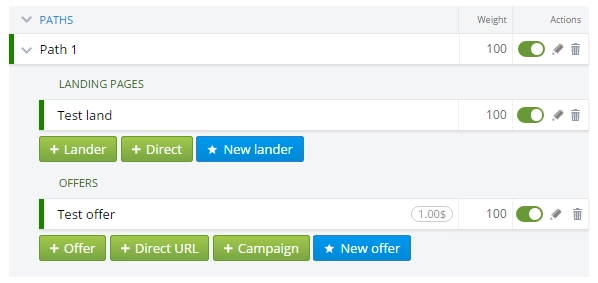
Traffic distribution controls where clicks go after entering a campaign. Binom supports paths, rules, rotations, and flow management.
A path can include landing pages and offers. A rotation can reuse traffic routing logic across several campaigns.
Binom’s Smart Rotation docs describe distribution options such as normal random rotation, paths, paths and landing pages, and paths with landing pages and offers. That same doc explains that traffic can be fixed to a full flow like path, landing page, and offer.
This matters for split testing. Instead of sending all traffic to one offer, a buyer can test multiple funnels while keeping attribution clean.
A B Testing
A/B testing in Binom usually happens through landing page rotation, offer rotation, or path rotation. Each variation gets traffic, then reports show performance.
For a basic test, a team may compare two landers against one offer. For a more advanced test, traffic may rotate across multiple paths, each with different lander and offer combinations.
Smart Rotation can help avoid showing the same user the same funnel too often. Binom docs describe logic where a user can be sent to a path, landing page, or offer not previously seen, depending on distribution type.
A/B testing works best when only one major variable changes at a time. Testing lander, offer, source, and GEO all at once can make reports harder to read.
Rules And Rotations
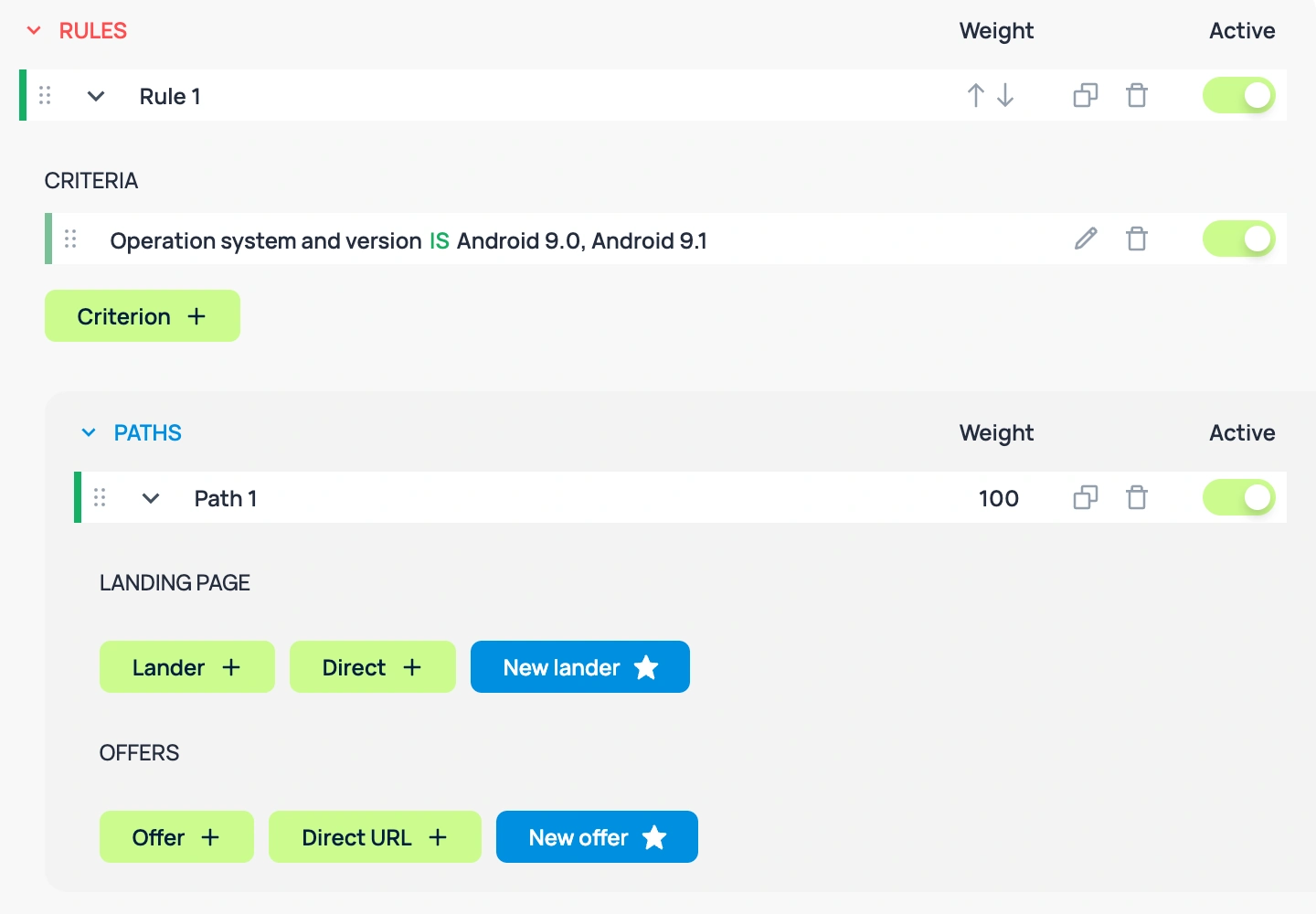
Rules and rotations are where Binom becomes more than a link tracker. They let teams control traffic based on conditions.
Rotations are templates for paths and rules. Binom docs show that rotations can be created, assigned to campaigns, and used to distribute traffic based on rotation settings instead of campaign settings.
Rules can support routing based on traffic quality, GEO, device, OS, browser, ISP, language, connection type, or other click data. This helps teams send different segments to different landers or offers.
Rules should be used carefully. Overly complex routing can make reports hard to read and can create setup mistakes.
Bot Filtering And Protection
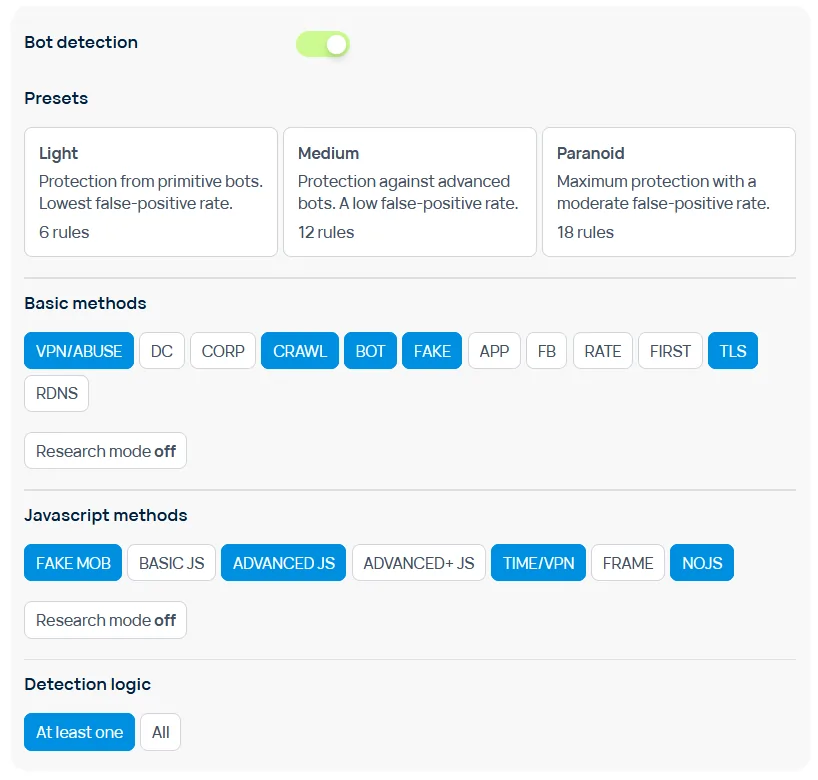
Bot filtering matters because paid traffic often contains crawlers, spy tools, preview bots, click spam, and low-quality automated traffic. Bad clicks distort EPC, CTR, conversion rate, and ROI.
Binom Protect is Binom’s anti-fraud detection solution. Binom docs state that Binom Protection can be used together with other integrations to detect bots.
Bot filtering helps media buyers avoid optimizing toward fake signals. It can also help protect landing pages, offers, and funnel data from unwanted inspection.
Protection features are useful for:
Binom Protect should not be treated as a full replacement for traffic source quality control. It is one layer inside a larger fraud-checking workflow.
Anti Spy And LP Protect
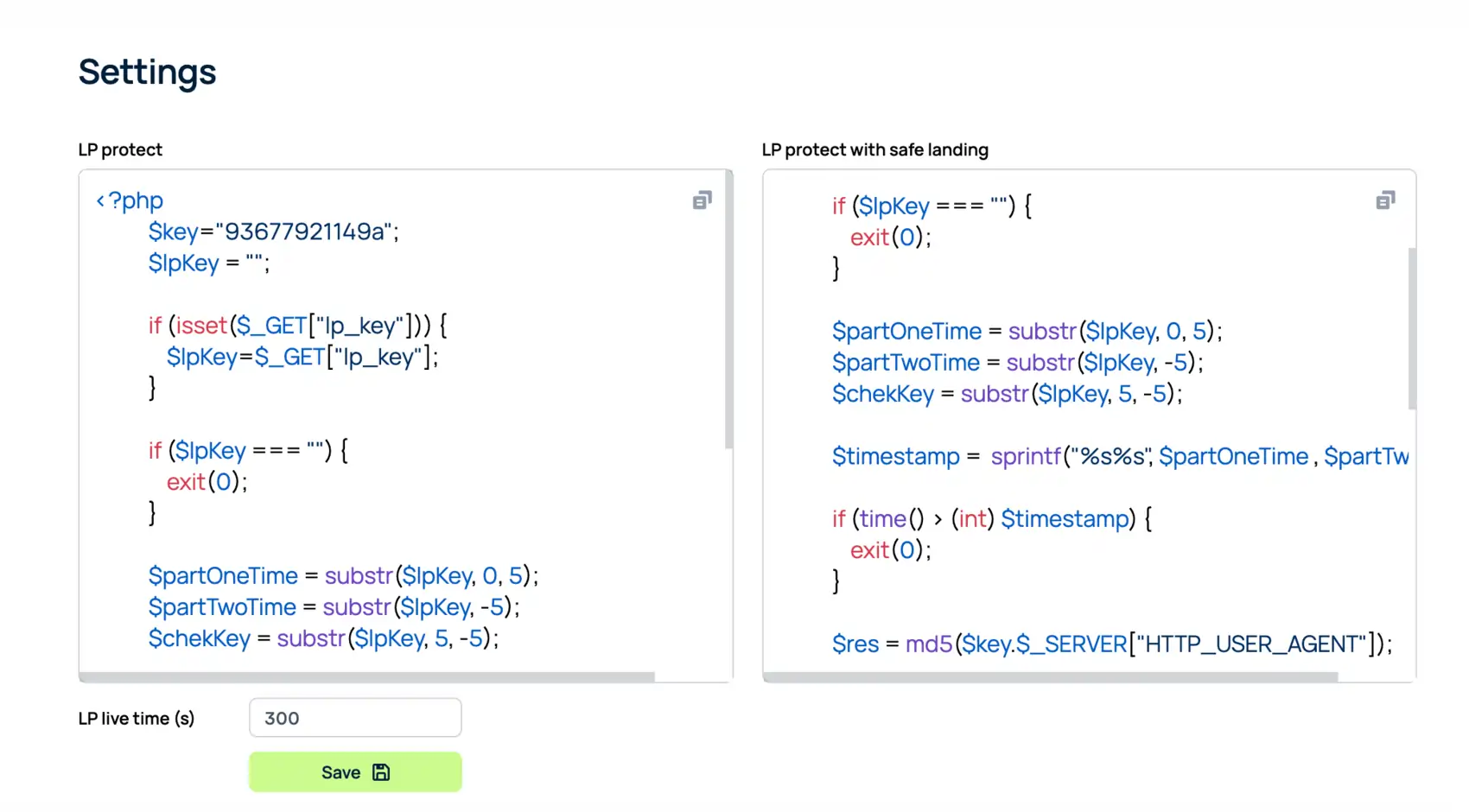
LP Protect is designed to reduce direct landing page access. Binom docs state that LP Protect checks time gap between tracker click and landing page opening, and if too much time passes, a blank page opens instead of the landing page.
LP Protect also checks IP and user agent matching. Binom’s v2 LP Protect docs say the landing page does not need to be on the same server as the tracker.
This is useful when a team wants to protect prelanders, advertorials, quiz funnels, or offer bridges from direct scraping. It can also reduce accidental access from copied URLs.
Anti-spy features are common in competitive affiliate verticals. They help protect angles, landers, and funnel structure, especially in native, adult, push, pop, and sweepstake campaigns.
Cloaking needs careful handling. Using routing for bot filtering, QA, fraud control, or compliance segmentation is different from deceiving ad platforms, which can violate Google Ads, Facebook Ads, and network policies.
Team Access
Binom is useful for teams because campaign tracking often involves buyers, analysts, developers, designers, affiliate managers, and agency clients. Multi-user access keeps work inside one tracker instead of scattered across spreadsheets.
The pricing page lists unlimited users as part of Binom’s public pricing model, along with unlimited domains and lifetime data retention as noted in the user-supplied plan details. Binom’s pricing page also presents fixed pricing rather than traffic-volume billing.
Team access matters for agencies. A team may need one person building campaigns, another checking reports, and another handling postbacks or landers.
Good team setup should separate access by role. Not every user needs permission to edit sources, delete campaigns, or change global postback settings.
Reports
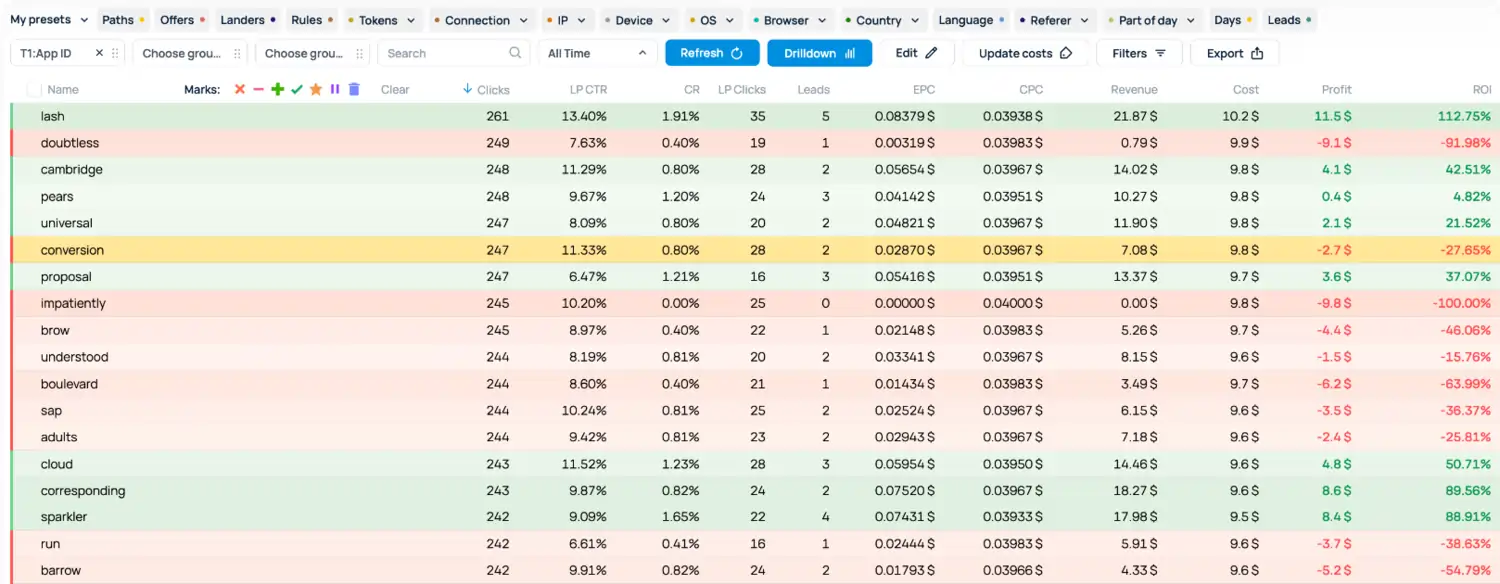
Reports are a major Binom strength. Binom campaign stats can be opened from campaign views, and docs mention multilevel reports for deeper analysis.
The user request notes Binom supports instant reports with up to 5 grouping levels and campaign group stats. That is useful when optimization needs several layers, such as campaign, placement, device, OS, and landing page.
Campaign group stats are useful for high-volume teams. Binom docs state that campaigns can be grouped by countries, verticals, traffic type, and similar structures.
Useful report groupings include:
Good reporting reduces wasted spend. It shows where traffic is leaking, which funnel parts convert, and which segments deserve budget.
API And Automation
Binom offers API capabilities for teams that need automation, data exports, custom dashboards, or workflow integrations. The official Binom blog includes content about starting with API in Binom and traffic sources.
API use cases include pulling campaign stats, syncing reports, building internal dashboards, checking performance by source, and sending data to BI tools.
Binom is not positioned like a full ad automation suite by default. RedTrack, for example, promotes tracking, attribution, CAPI, and automation for ROAS improvement.
That makes Binom better for teams that want tracker-level control. Teams wanting more ready-made ad platform automation may prefer RedTrack or Voluum.
Binom Pricing At a Glance
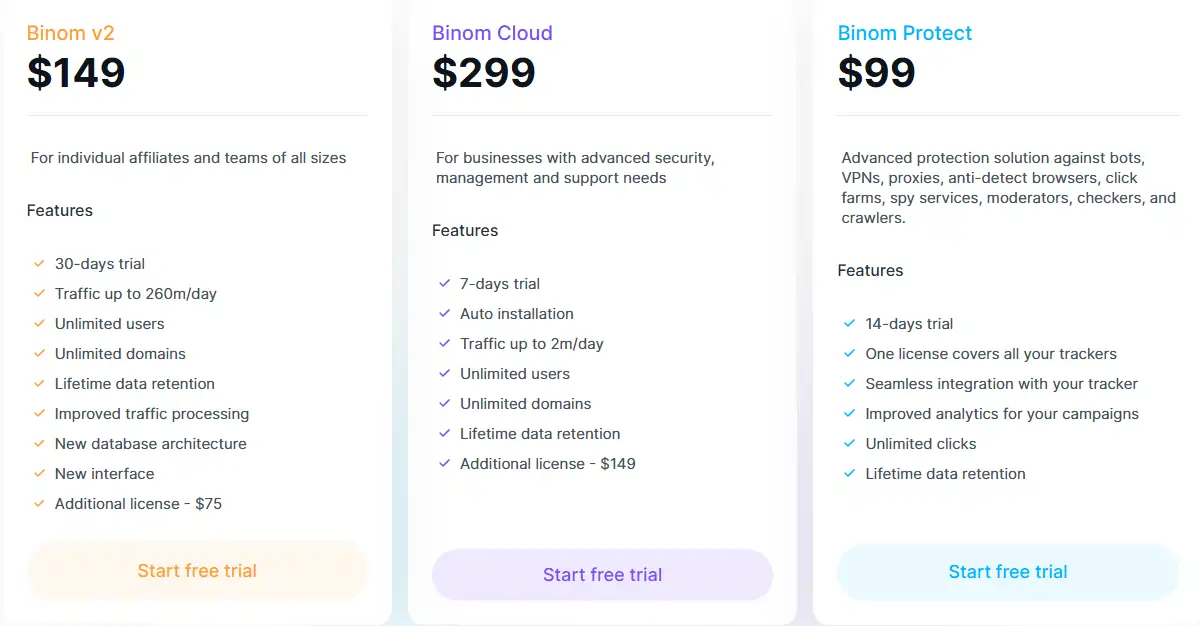
Binom uses fixed pricing, so tracking cost does not increase just because campaign volume grows. That makes it easier to plan spend for affiliates, media buying teams, lead-gen funnels, and agencies running high click volume.
| Binom Subscription | Price | Key Limits and Inclusions |
|---|---|---|
| Binom v2 | $149/month | Traffic up to 260M clicks/day, unlimited users, unlimited domains, lifetime data retention, improved traffic processing, new database architecture, new interface |
| Binom Cloud | $299/month | Auto installation, traffic up to 2M clicks/day, unlimited users, unlimited domains, lifetime data retention |
| Binom Protect | $99/month | One license covers all trackers, unlimited clicks, lifetime data retention, bot/VPN/proxy/crawler/checker filtering |
Binom v2 is the main pick for affiliates who want the highest traffic ceiling and do not mind running a self-hosted tracker. It includes improved traffic processing, a new database architecture, and a newer interface, which makes it better suited for heavy paid traffic setups.
Binom Cloud is better for teams that want Binom without server setup. It includes auto installation and managed infrastructure, but starts with a lower listed traffic allowance than self-hosted v2.
Binom Protect is sold separately as an advanced protection layer. It helps filter bots, VPNs, proxies, anti-detect browsers, click farms, spy services, moderators, checkers, and crawlers.
Extra licenses cost $75 for Binom v2 and $149 for Binom Cloud. This matters if the team runs separate setups for different buyers, brands, or business units.
Binom Coupon Codes
We have two active Binom coupons for our readers.
| Coupon Code | Discount | Applies To |
|---|---|---|
| AFFMAVEN | 40% OFF | Binom v2 and Binom Cloud |
| AFFMAVEN | Extended 30-day free trial | Binom trial |
| AFFINCOPROTECT | 30% OFF first month | Binom Protect |
Use AFFMAVEN40 to get 40% OFF Binom v2 or Binom Cloud and extend the free trial to 30 days.
Use AFFINCOPROTECT to get 30% OFF your first month of Binom Protect.
Binom V1 And V2
Binom v1 is the older self-hosted product. It is still relevant for teams that want a stable tracker with familiar campaign logic and lower monthly pricing.
Binom v2 is newer and built for heavier usage. Users can migrate from v1 to v2 while preserving tracker setup, including campaigns, landings, offers, rotations, users, and related structure.
The main decision is traffic volume, team size, and future scale. Smaller buyers may find v1 enough, while larger teams may prefer v2 for higher capacity and newer architecture.
| Area | Binom v1 | Binom v2 |
|---|---|---|
| Product age | Older version | Newer version |
| Monthly price | $119 | $149 |
| Yearly price | $83 | $104 |
| Daily capacity | Up to 17m | Up to 260m |
| Migration | Existing base | Preserves setup |
| Best fit | Stable buyers | High volume teams |
Binom v2 makes more sense for teams buying serious paid traffic. Binom v1 makes sense when budget matters and volume is moderate.
Binom Cloud
Binom Cloud is the managed version of Binom. It is aimed at teams that want Binom without handling server setup and server maintenance.
Cloud and self-hosted options have identical functionality. That means cloud is mainly about infrastructure handling, not a separate feature set.
Binom Cloud starts from $299 based on official pricing material. It costs more than self-hosted v1 or v2, but it removes server work.
Cloud is a better fit for agencies, lead generation teams, and paid traffic teams that care more about uptime and workflow than server control.
Self-hosted remains better for users who want more infrastructure control, lower software cost, or custom server placement.
Binom Protect
Binom Protect is Binom’s dedicated protection product for bot detection and traffic filtering. Binom docs connect Binom Protection with campaign settings and bot marking based on selected tags.
For affiliate marketers, Binom Protect is most relevant on push ads, pop traffic, adult traffic, native placements, display buys, and any source where invalid clicks can damage ROI. It can also help during campaign QA because flagged traffic can be reviewed before hard blocks are used.
Our Binom Protect coupon AFFINCOPROTECT gives 30% off the monthly plan. Use it as a cost-reduction angle in the article, but keep claims measured and avoid promising clean traffic from any protection tool.
Binom Protect Coupon Code Saves 30% Monthly
exclusive
Boost campaign ROI using Binom Protect bot filtering tools with exclusive 30% Off code AFFINCOPROTECT today.
SAVE UP TO 30%
Affiliate Marketing Use Cases
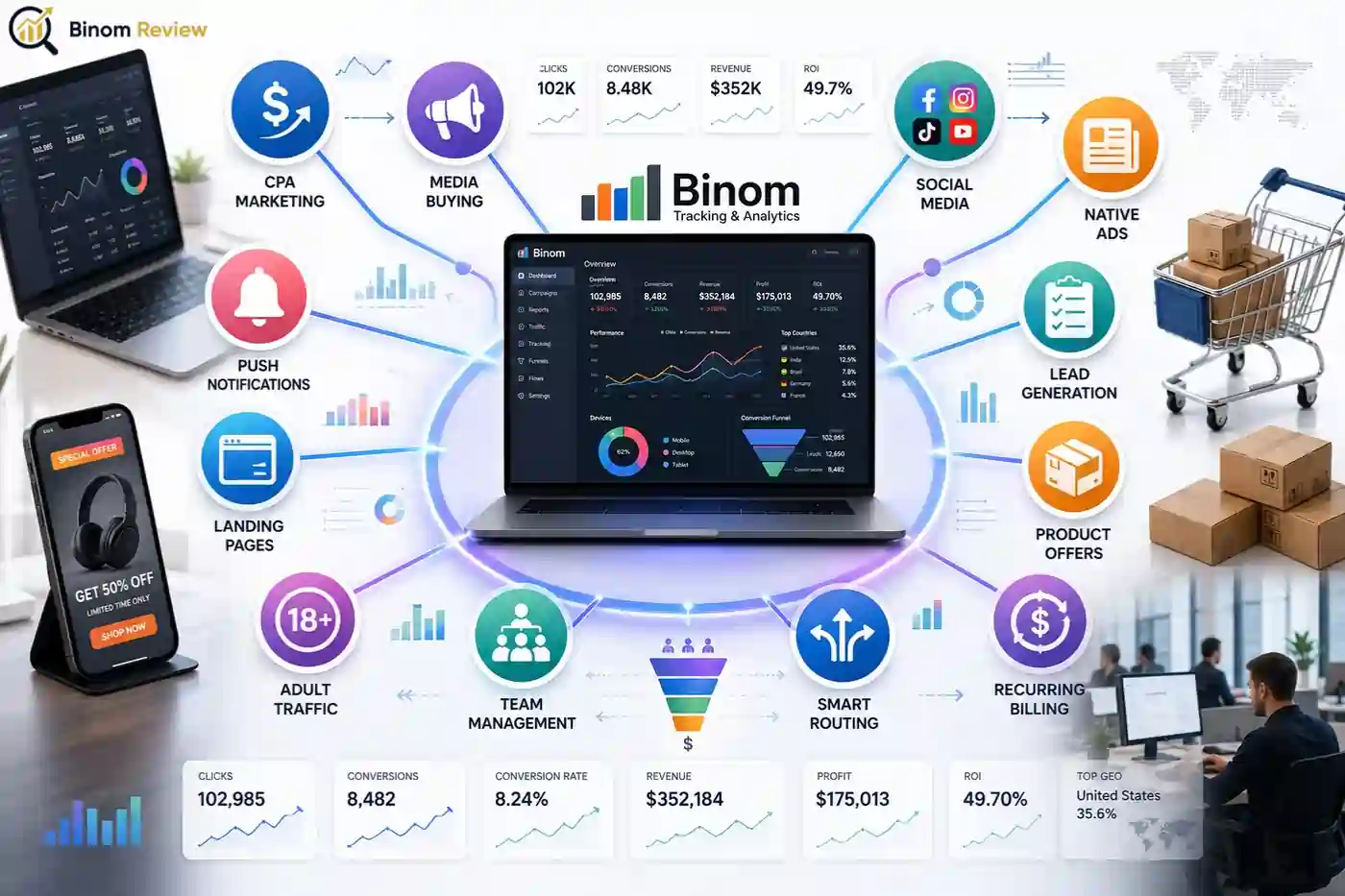
Binom works best when campaign tracking has many moving parts. Simple SEO blogs may not need it, but paid traffic teams usually do.
For CPA marketing, Binom tracks clicks, conversions, payouts, traffic source data, and postbacks. This is helpful for verticals like sweepstakes, finance, dating, nutra, mobile content, lead gen, and adult offers.
For media buying teams, Binom helps track multiple buyers, traffic sources, campaign groups, landers, offers, and rotations. Campaign grouping by country, vertical, or traffic type is supported in Binom campaign management docs.
For Google Ads and Facebook Ads, Binom can help track landing pages, costs, Click IDs, and downstream conversion data. Extra setup may be needed for each ad platform’s conversion API or offline conversion process.
For native ads, Binom is useful because native campaigns depend heavily on publisher, widget, placement, advertorial, and offer-level performance.
For push ads, Binom helps separate device, OS, browser, carrier, publisher, and feed performance. This makes blacklist and whitelist decisions easier.
For pop traffic, fast redirects and clean routing matter. Binom’s self-hosted model can be placed near traffic sources or target GEOs when speed matters.
For adult traffic, Binom helps manage high-volume clicks, landing page protection, offer rotation, and spy-heavy funnel testing.
For lead generation, Binom tracks CPL offers, form funnels, lead statuses, and postback statuses. Conversion status tokens can help separate approved, rejected, pending, or qualified leads.binom
For COD e-commerce, Binom can track product funnels, prelanders, call center approvals, and payout changes. It is useful when revenue depends on approved orders rather than raw leads.
For subscription and rebill funnels, Binom can help track initial conversion events and later value events when networks pass those events properly.
For agencies, Binom helps centralize campaign groups, domains, users, traffic sources, and client-specific reporting.
For traffic arbitrage, Binom helps route low-cost clicks toward higher-EPC paths while watching EPC, ROI, and cost.
For smartlink routing, Binom can send segments toward different offers based on rules, GEO, device, or funnel logic.
For SEO lead funnels, Binom is not always needed, but it can help track lead paths, landing pages, forms, and affiliate postbacks when SEO traffic is monetized through CPA networks.
Binom Vs Alternatives
Binom competes with Voluum, RedTrack, BeMob, and CPV Lab Pro. It should not be treated as automatically better than every alternative.
Voluum and BeMob are usually easier for teams that want cloud-first tracking. Voluum is a popular tracking platform with real-time analytics, A/B testing, and automated optimization, and BeMob is cloud-based with real-time reporting, traffic distribution, and conversion tracking.
| Affiliate Trackers | Hosting style | Strength | Weak point |
|---|---|---|---|
| Binom | Self-hosted plus Cloud option | Speed, data control, fixed pricing, deep routing | Setup and server work |
| Voluum | Cloud-first | Polished UI, automation, paid traffic workflow | Can cost more at scale |
| RedTrack | Cloud-first | Attribution and automation focus | Less data ownership than self-hosting |
| BeMob | Cloud-based tracking with reporting and traffic distribution | Easier start and lower setup burden | Less control than self-hosted stack |
| CPV Lab Pro | Self-hosted style tracker | Control and lower long-term cost | More technical setup |
Binom wins when fixed pricing, self-hosting, redirect speed, deep campaign control, and data ownership matter most. It is also strong for CPA tracker use cases where paths, rules, rotations, postbacks, landing page rotation, offer rotation, and campaign reporting are daily work.
Pros & Cons of Binom
Pros
Cons
FAQs Related to Binom
Is Binom good for server side tracking?
Binom is built around server-side tracking, Click ID passing, and S2S postbacks. Its docs show traffic source postback logic where a traffic source click ID is passed into Binom and later returned through a conversion postback.
Can Binom track Google Ads and Facebook Ads?
Binom can track traffic from Google Ads and Facebook Ads through campaign URLs, tokens, costs, landing pages, and postbacks. For platform-side optimization, extra work may be needed for Google offline conversions, Facebook CAPI, or source-specific conversion upload logic.
Does Binom support multi offer funnels?
Binom supports paths, landing pages, offers, rules, and rotations. Its Smart Rotation docs describe distribution across paths, landing pages, and offers.
Can Binom send different postbacks per conversion status to the same traffic source?
Status-postback relation in S2S settings maps each status (lead, sale, reject) to a different outbound postback.
How does LP Protect actually block direct landing page access?
A PHP snippet on the lander checks IP, user agent, and time-since-last-visit against a token issued by the campaign URL. No match means no render.
Can Binom auto-import cost-per-click from native and push sources?
By mapping a cost parameter and placeholder in traffic source settings, or via CSV bulk update for back-filled costs.
Does Binom support cookieless or server-side tracking for FB and Google Ads?
Click ID flow is server-side via redirects and postbacks. CAPI-style integration with FB and Google needs manual postback configuration on the source side.
Binom Review Verdict: Who Should Actually Use It?
After putting Binom through its paces, this Binom Review comes to one clear conclusion — it is the right self-hosted affiliate tracker for media buyers, CPA teams, lead generation advertisers, COD funnels, and high-volume paid traffic operations that need speed, data ownership, and deep campaign control under a fixed monthly price.
The self-hosted model, fast postback reporting, flexible traffic routing, and fixed pricing make Binom genuinely hard to beat at its price point. These are not minor perks — for serious affiliates scaling across push, native, pop, and adult traffic, these features directly impact ROI every single day.
That said, Binom is not the right fit for every team. If you want a clean, plug-and-play cloud tracker with zero server work, Voluum, RedTrack, or BeMob will feel more comfortable to start. Binom asks for technical effort upfront — and it pays that back in full once the setup is right.
Bottom line: if you run paid traffic at scale and want a tracker that works for you rather than billing you per click, Binom v2 is worth every dollar.